Selling an Intown Atlanta condo can feel simple at first, until the real questions start piling up. How do you price it when buyers compare your unit to others in the same building? What documents will they ask for? How much do HOA details matter? If you want a smoother sale and fewer surprises, you need a plan before your condo hits the market. In this guide, you’ll learn the step-by-step approach we use to help sellers prepare, price, market, and close with confidence. Let’s dive in.
Understand today’s Intown condo market
If you are selling a condo in neighborhoods like Midtown, Inman Park, Virginia Highland, or Buckhead, you are not just competing with resale homes. You are competing with other units in your building, nearby buildings, and buyer concerns about HOA dues, insurance costs, and possible special assessments.
Recent market data shows why strategy matters. Atlanta REALTORS’ April 2026 Market Brief reported 19,224 active listings across Metro Atlanta, with a 4.4-month supply and 19 average days on market. At the same time, Redfin showed 1,936 condos for sale in Atlanta, with a median listing price of $300,000 and 86 median days on market for condos.
That gap matters. It suggests condos may need more careful pricing, stronger presentation, and clearer communication than the broader market. In a market with solid inventory, buyers have options, so your condo needs to stand out for the right reasons.
Step 1: Gather your condo documents early
One of the smartest things you can do is build your document package before listing. Buyers and lenders often want to review association records, budgets, rules, and building details early in the process.
In Georgia, the condo statute requires a detailed disclosure package for the first bona fide sale of a new or newly converted residential unit. That package includes items like the declaration and amendments, bylaws, articles, budget, floor plan, management contracts over one year, and certain lease and build-out information. For conversion condos, it also includes a condition statement from an architect or engineer and any outstanding code-violation notices.
That seven-day buyer voidability rule does not apply to every resale condo transaction. Still, for resale sellers, the practical lesson is the same: have the core building and association documents ready. It helps buyers feel informed and can reduce delays once you are under contract.
Documents to collect before listing
- HOA or condominium association contact information
- Current monthly dues amount
- Association budget
- Declaration, bylaws, and amendments
- Rules and regulations
- Recent meeting notes if available
- Information on reserve funding
- Details on any upcoming or active special assessments
- Parking, storage, and amenity information
- A current statement of unpaid assessments
In Georgia, an owner, lender, mortgagee, or contract purchaser can request a current statement of unpaid assessments, and the association must provide it within five business days. That makes it wise to request this early so you know exactly what needs to be resolved before closing.
Step 2: Resolve dues and identify building issues
Unpaid condo assessments can create avoidable closing problems. Under Georgia law, an association lien can include assessments, late charges, interest, and collection costs.
Before you list, confirm that your account is current and ask whether there are any pending charges. If your building has discussed major repairs, reserve shortfalls, or special assessments, you should understand those details up front. Buyers often ask about these issues early, especially in today’s condo market.
This is also where transparency helps. If your building recently completed capital projects, that can be useful context. If work is still pending, you want a clear, accurate explanation rather than letting uncertainty shape buyer perception.
Step 3: Fix the small things buyers notice
Condo buyers often focus on condition because smaller spaces tend to show wear more clearly. Minor issues can make a home feel less move-in ready, even when the overall unit is in solid shape.
Before photos and showings, handle the repair items most likely to trigger inspection comments or buyer hesitation. Georgia consumer guidance notes that buyers are often advised to inspect before closing, so visible maintenance issues can influence negotiations.
Focus on high-impact prep items
- Fresh caulk in baths and kitchen
- Paint touch-ups
- HVAC servicing
- Plumbing leak repairs
- Appliance tune-ups or fixes
- Loose hardware or doors
- Burned-out bulbs
- Deep cleaning
A condo does not need to be perfect to sell well. It does need to feel cared for, clean, and easy for a buyer to say yes to.
Step 4: Disclose known issues clearly
Georgia transaction brokers must disclose known adverse material facts about the property and nearby adverse physical conditions that a buyer could not reasonably discover. For you as a seller, that means it is safest to document known repairs and avoid any appearance of concealment.
If you have dealt with water intrusion, HVAC replacement, appliance failure, plumbing issues, or other defects, keep records organized. A clean paper trail builds trust and can help prevent last-minute friction during due diligence.
Clear disclosure is not about hurting your sale. It is about protecting the transaction and helping serious buyers move forward with confidence.
Step 5: Price your condo against real competition
Pricing an Intown Atlanta condo is rarely about pulling a citywide average and adding optimism. Buyers, appraisers, and lenders tend to look closely at the same building, the same project, and nearby comparable properties with similar legal and physical characteristics.
Fannie Mae appraisal guidance says comparable sales should come from the same market area, subdivision, or project when possible. For condo sellers, that usually means same-building or same-project sales matter more than broad Atlanta averages.
This is especially important in buildings where amenities, reserves, dues, parking, views, or renovation level differ from one unit to the next. A unit on a higher floor with skyline views may not compete the same way as a lower-floor unit with no view. A building with stronger maintenance history may also command a different buyer response than one with unresolved issues.
What buyers compare when judging value
- Recent sales in your building
- Current active listings in your building
- Similar nearby condo projects
- Floor level and view
- Parking count and storage
- Renovation quality and finish level
- Monthly HOA dues
- Amenities such as pool, rooftop deck, or fitness spaces
- Any known special assessments or reserve concerns
With Metro Atlanta inventory expanded, overpricing can cost you momentum. A disciplined launch price often gives you a better shot at strong early interest than testing the market too high.
Step 6: Explain what the HOA dues cover
Today’s condo buyers often look past the purchase price and focus hard on monthly carrying costs. National condo reporting in 2025 showed softer condo prices and sales in part because buyers were paying more attention to HOA fees, insurance costs, and special assessments.
That does not mean your building is a problem. It means buyers want clarity. If your dues cover meaningful services or amenities, be ready to explain that in plain language.
Be prepared to answer these HOA questions
- What is the monthly dues amount?
- What does it include?
- Are there current or planned special assessments?
- How are reserves positioned?
- Have major building projects already been completed?
- Are there rental restrictions, parking rules, or move-in policies?
When buyers understand the value behind the dues, they can evaluate your condo more fairly. Ambiguity tends to create hesitation.
Step 7: Invest in presentation and marketing
In a competitive Intown condo market, marketing is not just about getting your listing online. It is about helping buyers instantly understand why your unit is the right fit compared with similar options nearby.
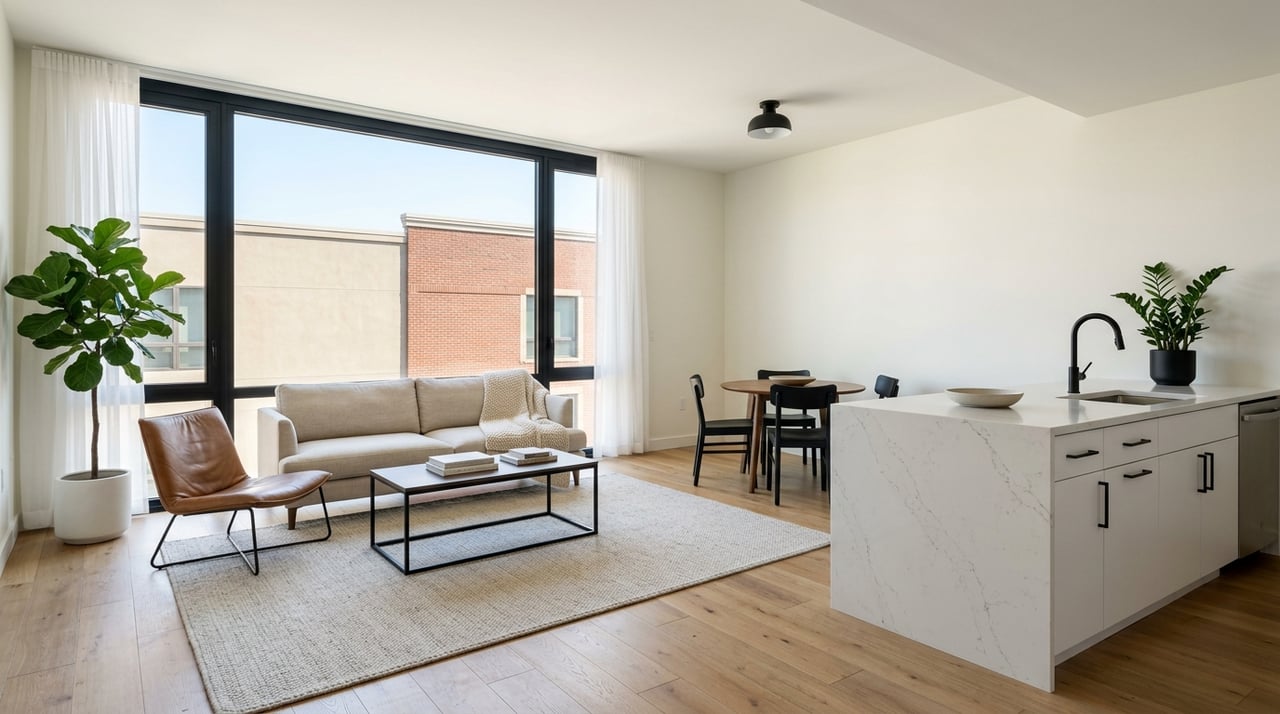
That starts with presentation. Clean staging, strong photography, and polished visual storytelling can make a small space feel brighter, larger, and more memorable. It also helps buyers connect the unit to the lifestyle they are looking for in Intown Atlanta.
For condo sellers, marketing should also highlight the details that drive comparisons. That may include parking, outdoor space, building amenities, renovated kitchens or baths, views, storage, and recent building improvements. The goal is to position your condo against its true competition, not just list features in a generic way.
Step 8: Prepare for due diligence questions
Once you go under contract, buyers usually want fast answers. If your documents, repair history, and HOA details are ready, you can respond quickly and keep the transaction moving.
The most common buyer questions often center on three areas: whether the condo-doc voidability rule applies, whether unpaid assessments exist, and whether the list price is supported by building comps. In most resale sales, the seven-day statutory voidability rule does not apply. The other two questions, though, can directly affect whether the sale stays on track.
Being prepared here can reduce renegotiation risk. It can also make your condo feel like the more professional and lower-stress option in the eyes of a buyer.
Step 9: Know the closing timeline and costs
Georgia Consumer Ed says existing-home closings are typically 30 to 90 days after contract. Buyers also usually complete a final walk-through before closing.
As the seller, you should expect normal closing adjustments such as prorated taxes and utilities. For condo sales, you may also see HOA payoff items and document-related charges that need to be settled before closing.
Georgia also charges a real estate transfer tax on deed transfers. According to the Georgia Department of Revenue, the seller is liable by default, and the tax must be paid before the deed can be recorded. The tax is calculated at $1 for the first $1,000 of value and 10 cents for each additional $100 or fractional part of $100.
A simple condo sale checklist
If you want to stay organized, start with this list:
- Review the current condo market and likely competition.
- Gather HOA and building documents.
- Request a statement of unpaid assessments.
- Confirm dues, reserves, and any special assessments.
- Complete minor repairs and cosmetic prep.
- Organize records for known repairs and disclosures.
- Price against same-building and nearby comparable sales.
- Launch with strong visuals and clear amenity positioning.
- Prepare for buyer questions during due diligence.
- Review expected closing costs, prorations, and transfer tax.
Selling an Intown Atlanta condo successfully usually comes down to one thing: reducing buyer uncertainty. When your pricing is grounded, your unit shows well, and your building information is easy to understand, you put yourself in a stronger position to attract serious offers and move to closing with fewer surprises.
If you are thinking about selling and want a strategy tailored to your building, your comps, and your timeline, Gretchen Lennon can help you create a smart plan for your Intown Atlanta condo sale.
FAQs
How long does it usually take to close after accepting an offer on an Atlanta condo?
- In Georgia, existing-home closings are typically 30 to 90 days after contract, and buyers usually complete a final walk-through before closing.
Do Georgia condo document rules apply to every Atlanta condo resale?
- No. The seven-day buyer voidability rule tied to condo documents applies to the first bona fide sale of a new or newly converted unit, not every resale.
Why do same-building comps matter when pricing an Intown Atlanta condo?
- Buyers, lenders, and appraisers often compare condos with similar physical and legal characteristics, and sales from the same building or project are usually the most relevant when available.
Can unpaid HOA assessments delay an Atlanta condo closing?
- Yes. In Georgia, an association lien can include unpaid assessments, late charges, interest, and collection costs, so it is important to confirm and resolve any balance early.
What HOA details do buyers ask about when purchasing an Intown Atlanta condo?
- Buyers often ask about monthly dues, what those dues cover, reserve funding, completed capital projects, and any current or upcoming special assessments.