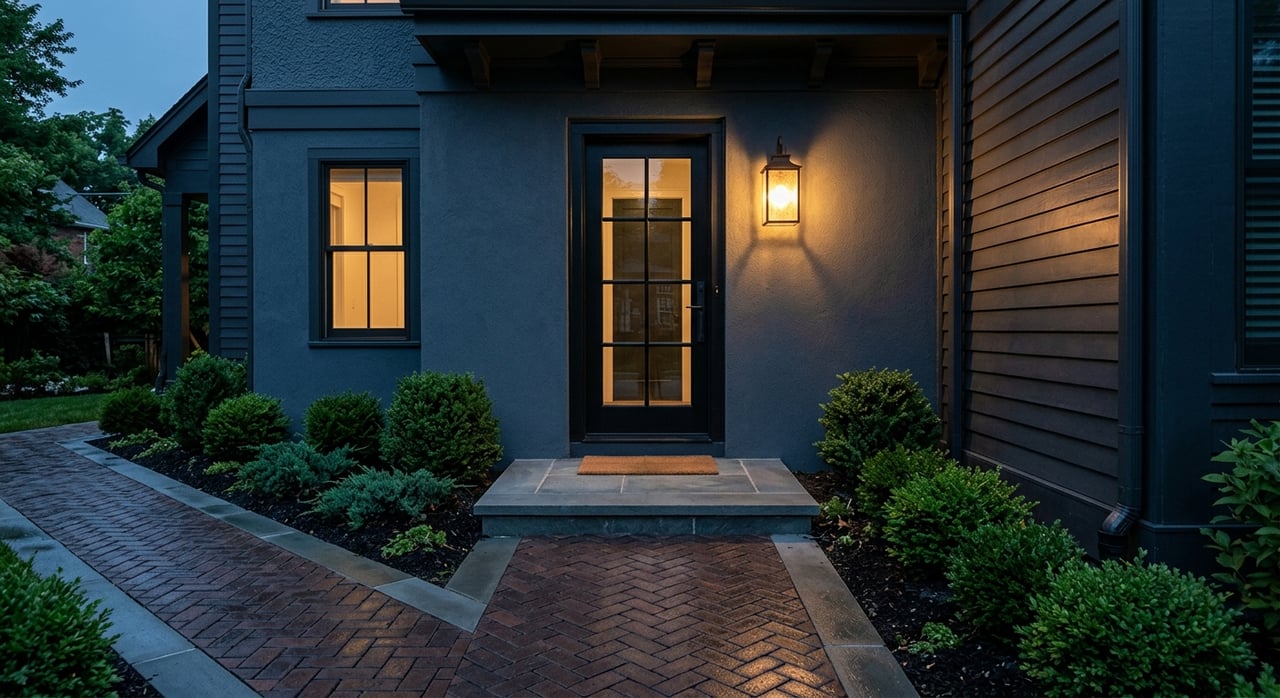
Feeling tied to your house by yard work, exterior repairs, or the constant list of small home projects? If you own a larger home in Sandy Springs, downsizing can be less about giving something up and more about gaining time, flexibility, and simpler day-to-day living. In this guide, you’ll see why a lock-and-leave move is making sense for many local homeowners, what really changes when you switch to a condo or townhome, and how to plan the move with fewer surprises. Let’s dive in.
Why downsizing fits Sandy Springs
Downsizing is not a fringe idea in Sandy Springs. The city has a strong base of established homeowners, and local data points to a market where many people can realistically trade extra space for convenience.
From 2020 to 2024 ACS data, Sandy Springs had a 50.2% owner-occupied housing rate, a median owner-occupied home value of $619,800, and an average household size of 2.06. The same profile shows 14.3% of residents are age 65+, along with a median household income of $104,340. Put together, those numbers suggest many households are well-positioned to choose lower-maintenance living when their current home no longer fits how they want to live.
The city’s housing needs assessment supports that shift. Homeowner households age 55+ increased by 1,566 between 2011 and 2018, while younger homeowner households fell by 129. That is a strong sign that Sandy Springs already has a meaningful group of owners making later-stage housing decisions.
What lock-and-leave really means
A lock-and-leave lifestyle usually appeals to homeowners who want less hands-on upkeep and more freedom to travel or simplify their routine. In practical terms, it often means moving from a detached home with a yard to a condo or townhome where some exterior responsibilities are shared.
That does not mean maintenance disappears. It means the maintenance burden changes. Instead of personally managing every exterior repair, landscaping issue, or shared-area concern, you may be paying into an association structure that handles some of that work.
For many sellers and buyers, this is the real lifestyle upgrade. You may give up a bigger lot or extra unused rooms, but you can gain predictability, less vendor coordination, and a home that is easier to leave for weekends or longer trips.
What changes in a condo or townhome
The biggest adjustment is understanding who is responsible for what. Under Georgia condominium law, unless the condominium documents say otherwise, the association is responsible for maintenance, repair, renovation, restoration, and replacement of the common elements.
The unit owner is generally responsible for the unit itself and any limited common elements tied to that unit. The law also allows reasonable access for needed repairs and addresses responsibility for prompt repair if damage happens during that process.
In plain terms, you should not assume a smaller home means zero maintenance. It often means your responsibilities shift inward, while exterior and shared-area costs move into the association structure and budget.
What may be reduced
- Yard care
- Exterior building upkeep in many condo settings
- Some vendor scheduling and repair coordination
- The workload that comes with a larger lot or older detached home
What still needs your attention
- Your unit’s interior maintenance
- Insurance needs
- HOA or condo rules
- Reserve strength and assessment history
- Shared-building policies that affect access, repairs, and use
The tradeoff: less upkeep, but monthly dues
One of the most important downsizing conversations is about total monthly cost, not just purchase price. Georgia law defines common expenses to include association expenditures and reserve funds, and owners generally are not exempt from assessments just because they do not use the common area.
That means HOA or condo dues are not optional extras. They are part of how exterior upkeep, reserves, insurance, and other shared costs are funded. If you are comparing a detached house to a condo or townhome, you need to evaluate the full ownership picture.
A smaller home can still have a meaningful monthly carrying cost. In many cases, the right question is not, “Will this be cheaper?” It is, “Will this be simpler, more predictable, and better aligned with how I want to live?”
Compare the full cost of ownership
When you evaluate downsizing options in Sandy Springs, look at:
- Purchase price
- Mortgage payment
- HOA or condo dues
- Insurance costs
- Reserve funding strength
- Past or possible future assessments
Why Sandy Springs works for lower-maintenance living
Sandy Springs offers more than traditional detached housing. City planning documents identify focus areas around Roswell Road, Perimeter Center, MARTA station areas, and Powers Ferry Landing, along with mixed-use districts such as Greater City Springs, Central Perimeter, North End, Powers Ferry, Neighborhood Village, and Crossroads.
That matters because many downsizers want convenience as much as they want less maintenance. Proximity to restaurants, services, shopping, and daily essentials can become more important than lot size.
The City Springs district is one clear example of this pattern. The city describes it as a 14-acre mixed-use development with City Hall, the Performing Arts Center, the Conference Center, restaurants, exercise boutiques, and apartment homes. For buyers who want a more connected, service-rich setting, that kind of environment can be a strong fit.
The city also describes North End redevelopment as a priority, with a goal of encouraging reinvestment along Roswell Road and enhancing the quality and variety of housing, retail, and amenities. In other words, Sandy Springs is actively planning for the kind of compact, lower-maintenance housing many downsizers are looking for.
Condo or townhome: which is the better fit?
Both can support a lock-and-leave lifestyle, but they are not interchangeable. Your best choice depends on how much space you want, how much maintenance you are comfortable keeping, and how much association structure you are willing to accept.
Recent market snapshots show active inventory in both categories. Redfin currently shows 185 condos for sale in Sandy Springs with a median listing price of $239K, and 89 townhouses for sale with a median listing price of $550K. Historically, the city’s housing needs assessment also found that homes sold below $400K were disproportionately townhomes or condos.
A condo may fit you if you want:
- The smallest maintenance footprint
- A lower entry price point relative to townhomes
- Shared-building living in a more compact setting
- A home that feels easier to leave for travel
A townhome may fit you if you want:
- More square footage than a typical condo
- Multi-level living with a more house-like layout
- Lower-maintenance living without moving fully into a condo format
- A bridge between detached-home living and a more compact home
Timing your move matters
Downsizing is often a timing decision as much as a housing decision. You may be trying to sell a larger home, buy a smaller one, and avoid unnecessary overlap in costs and logistics.
That is especially important if you are thinking about homestead exemption timing. Fulton County says you must own and occupy the home as your primary residence as of January 1, you cannot claim a homestead exemption on more than one home, and you should apply by April 1.
The county also lists Sandy Springs’ basic city homestead exemption as $15,000 plus a Sandy Springs CPI exemption. If your move spans year-end or involves temporary dual ownership, those dates can affect your planning.
Questions to ask before you list or buy
- Is your current home still being used efficiently?
- Do you want more freedom to travel without worrying about exterior upkeep?
- Are you comfortable with HOA or condo rules and dues?
- Can you coordinate the sale and purchase to reduce overlap?
- Will the new home support your daily routine better than your current one?
How to downsize with fewer surprises
The most successful downsizing moves usually start with clarity. Before you shop for condos or townhomes, decide what you are truly trying to improve. For some people, it is less maintenance. For others, it is location, predictability, or a home that fits an empty-nest lifestyle better.
Once that is clear, compare homes based on both lifestyle and numbers. A beautiful unit in the wrong association, or a lower-priced option with weak reserves and a history of assessments, may not feel simpler once you own it.
This is where local guidance matters. In Sandy Springs, the right downsizing move is often not just about going smaller. It is about choosing the right area, the right property type, and the right ownership structure for the next chapter.
If you are thinking about trading yard care for a lock-and-leave lifestyle in Sandy Springs, working with a local agent who understands both attached housing and move-up or move-down transitions can help you make a cleaner, more confident decision. When you’re ready to talk through timing, property type, or how to position your current home for sale, connect with Gretchen Lennon.
FAQs
When does downsizing make sense in Sandy Springs?
- Downsizing often makes sense when your current home has more space than you use, maintenance feels like a burden, or you want a home that is easier to manage and easier to leave when you travel.
What does lock-and-leave living mean for Sandy Springs homeowners?
- For Sandy Springs homeowners, lock-and-leave usually means moving to a condo or townhome where some exterior maintenance and shared-area responsibilities are handled through an association rather than by you alone.
Are condos or townhomes more common lower-maintenance options in Sandy Springs?
- Yes. Sandy Springs added 1,127 townhomes and condos between 2011 and 2020, compared with 333 single-family detached homes, which shows attached housing is an important part of the local market.
Do HOA dues replace home maintenance costs in Sandy Springs condos?
- Not completely. HOA or condo dues help fund common expenses like shared upkeep and reserves, but you still need to budget for your unit’s interior maintenance, insurance needs, and any assessment risk.
Which Sandy Springs areas support a lock-and-leave lifestyle?
- City planning points to areas such as Roswell Road, Perimeter Center, MARTA station areas, Powers Ferry Landing, and the City Springs district as places where attached or mixed-use living is part of the city’s long-range vision.
How does the Fulton County homestead exemption affect a Sandy Springs downsizing move?
- Fulton County says you must own and occupy the home as your primary residence by January 1, cannot claim a homestead exemption on more than one home, and should apply by April 1, so your move timing can matter if you are buying and selling close together.